
When disaster strikes, food can become one of the biggest concerns for families.
Severe storms, power outages, floods, and other emergencies can make it difficult to shop for groceries. In some cases, stores may close or supplies may quickly disappear.
Because of this, having an emergency food supply at home is a smart decision.
However, many people have the same question:
How much emergency food should you actually store?
The answer depends on several factors, including the size of your family, your location, and the types of emergencies you want to prepare for.
A good emergency food plan does not have to happen overnight. Instead, you can build your supply over time and create a food reserve that fits your needs.
Many experts recommend storing enough food for at least three days.
This is a good starting point because many short-term emergencies are resolved within that time. For example, a power outage after a storm may only last a few hours or a couple of days.
However, longer emergencies can happen.
For better preparedness, many families choose to store:
The right amount depends on your personal situation and comfort level.
The number of people in your home plays a major role in your food storage plan.
A family of four will need much more food than a single person. In addition, children, seniors, and people with special dietary needs may require specific foods.
When planning your emergency supply, consider:
Remember, emergency food should be food your family will actually eat.
One common mistake is counting packages instead of calories.
A box of emergency meals may look like a large supply. However, it is important to check how many servings and calories it provides.
For example, an emergency food kit should provide enough nutrition for the number of people and days you plan to cover.
Therefore, always read the label before buying.
Look for information such as:
This helps you build a realistic food supply.
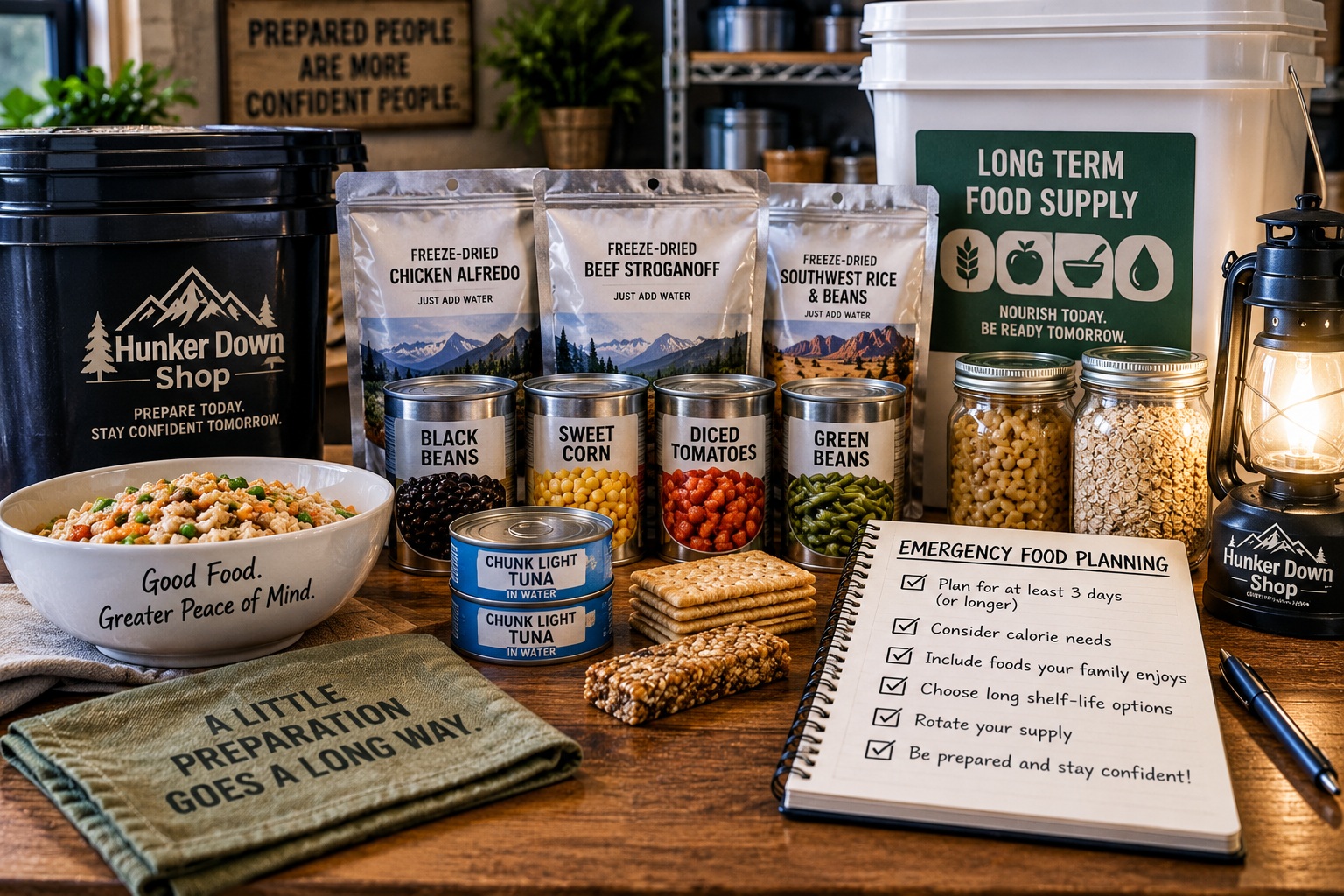
Emergency food should be easy to store and last for years.
Because of this, many families choose foods designed specifically for emergency situations.
Popular choices include:
In addition, rotate everyday foods when possible. This helps prevent waste and keeps your supplies fresh.
Food is important. However, water is even more critical.
A person can survive much longer without food than without water.
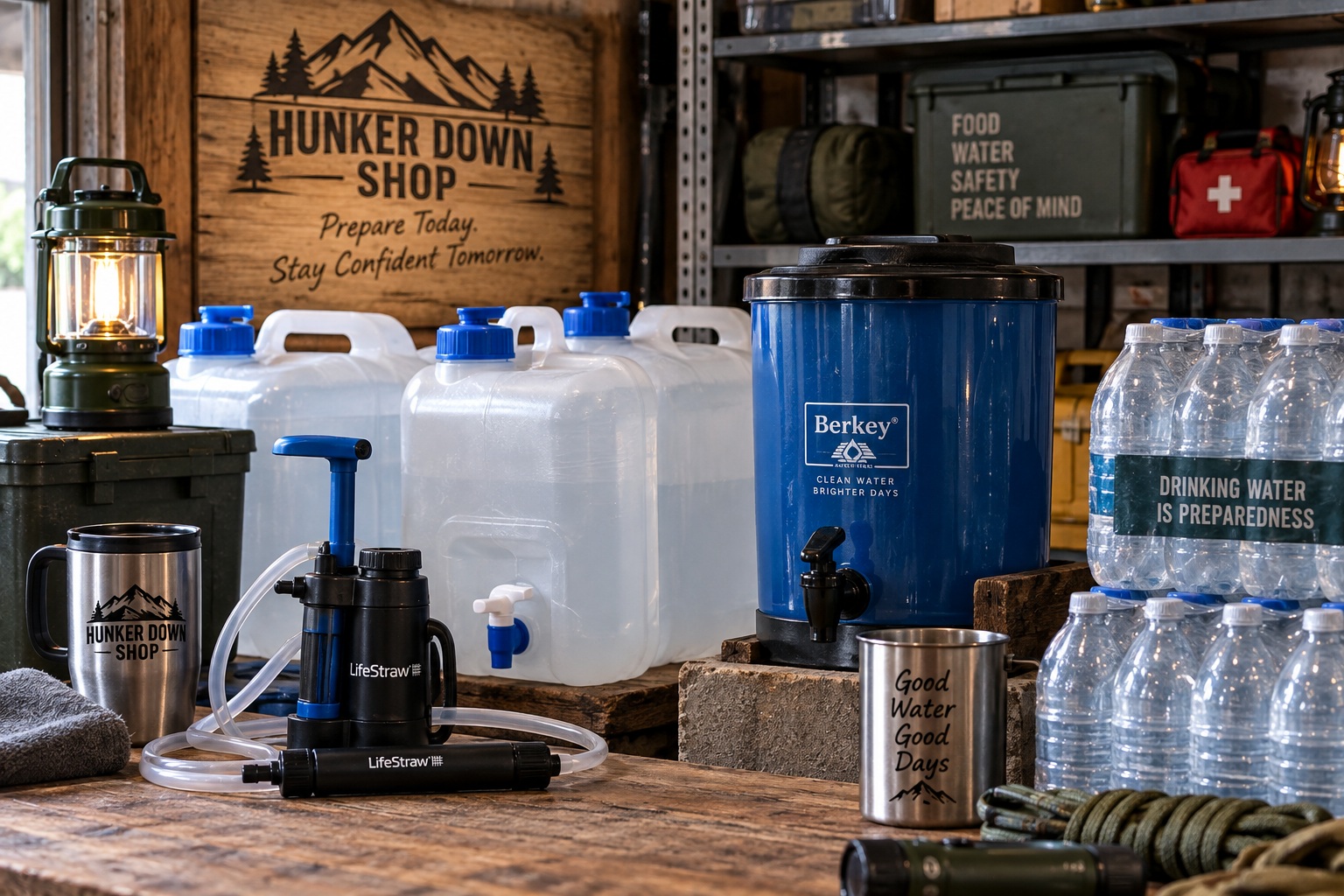
For emergency planning, many experts recommend storing about one gallon of water per person per day.
This water can be used for:
Therefore, a family of four should consider having several days of water available along with their emergency food supply.
Emergency food does not have to feel like a punishment.
During stressful situations, familiar foods can provide comfort and improve morale.
For this reason, include items your family likes.
Consider adding:
A good emergency supply should provide both nutrition and comfort.
During an emergency, you may not have electricity.
Because of this, choose foods that are simple to prepare.
Good options include foods that:
Additionally, keep basic cooking supplies available, such as a manual can opener and safe cooking equipment.
Creating a food supply does not have to be expensive.
You can start small and add items each month.
For example:
Over time, these small steps can create a reliable emergency food reserve.
Emergency food should not simply sit on a shelf forever.
Instead, review your supplies regularly.
Check expiration dates. Replace damaged packages. Update your supply when your family needs change.
In addition, store food in a cool, dry location whenever possible.
Proper storage helps protect your investment and keeps your emergency food ready.
The best time to build an emergency food supply is before an emergency happens.
You do not need to purchase everything at once. Start with the basics, then continue building your supply over time.
A well-planned food reserve provides security during storms, outages, and unexpected events.
At Hunker Down Shop, we believe preparedness is about confidence. Having emergency food available means your family has one less thing to worry about when challenges arise.
Prepare today. Stay ready. Hunker down with confidence.