
Summer may be winding down, but severe weather season in the Midwest is far from over.
If you’ve lived through the storms that have swept across the Midwest this summer, you already know how quickly conditions can change. Tornadoes, damaging straight-line winds, large hail, torrential rainfall, flash flooding and widespread power outages have affected communities across the region.
And severe weather doesn’t care what month it is.
In 2026, the National Weather Service has documented multiple significant severe-weather outbreaks across Illinois and surrounding Midwest states. A major June 11 outbreak produced at least 52 tornadoes across Illinois, Indiana, Wisconsin and Michigan, including several strong tornadoes.
Then on July 27, severe thunderstorms across northern Illinois and northwest Indiana produced multiple tornadoes, wind damage from winds exceeding 75 mph, large hail and flash flooding.
Whether you live in Illinois, Iowa, Indiana, Missouri, Wisconsin, Michigan, Ohio, Kansas, Nebraska or another Midwestern state, now is a good time to make sure your household is prepared for the next severe storm.
This Midwest severe weather preparedness checklist will help you prepare for tornadoes, flooding, power outages, dangerous thunderstorms and storm-related emergencies.
Many people think of spring as “tornado season,” but severe thunderstorms and tornadoes can occur throughout the summer and into the fall.
The Midwest is especially vulnerable because warm, humid air can combine with strong weather systems and changing wind patterns to create powerful thunderstorms.
This summer has already demonstrated how quickly severe weather can develop.
During the June 11 outbreak, severe storms affected portions of Illinois, Indiana, Wisconsin and Michigan, producing tornadoes, damaging winds, large hail and flooding.
On June 21, additional severe storms brought tornadoes and heavy rainfall to parts of Illinois and Indiana, with some areas receiving several inches of rain.
And on July 27, northern Illinois and northwest Indiana experienced another significant severe-weather event involving tornadoes, destructive winds, large hail and flash flooding.
Don’t assume the worst weather has already passed.
When a severe storm knocks out electricity or blocks roads with debris or flooding, you may have to manage without outside help for a while.
The Federal Emergency Management Agency recommends keeping enough emergency supplies to remain self-sufficient for at least several days.
A pre-packed 72-Hour Emergency Kit can make preparing much easier when you don’t want to gather every item individually.
One of the most common consequences of severe summer storms is a power outage.
High winds can bring down trees and power lines. Lightning can damage electrical equipment, while flooding can affect infrastructure.
And during summer, losing electricity can create another problem:
Extreme heat.
A power outage during a hot and humid Midwest day can become uncomfortable — and potentially dangerous — particularly for older adults and people who depend on powered medical equipment.
Don’t wait until the electricity goes out to discover that every flashlight has dead batteries.
Keep refrigerator and freezer doors closed as much as possible during an outage.
A refrigerator generally keeps food cold for about 4 hours if the door remains closed. A full freezer can generally maintain a safe temperature for approximately 48 hours under the right conditions.
When in doubt about whether refrigerated food remains safe, throw it out rather than risk foodborne illness.
Tornadoes can develop with surprisingly little warning.
Every household should know exactly where everyone will go when a Tornado Warning is issued.
If possible, go to:
Stay away from windows and exterior walls.
If you live in a manufactured or mobile home, know where your designated storm shelter is before severe weather threatens.
Keeping these supplies together means you won’t be running through the house looking for them when the warning sounds.
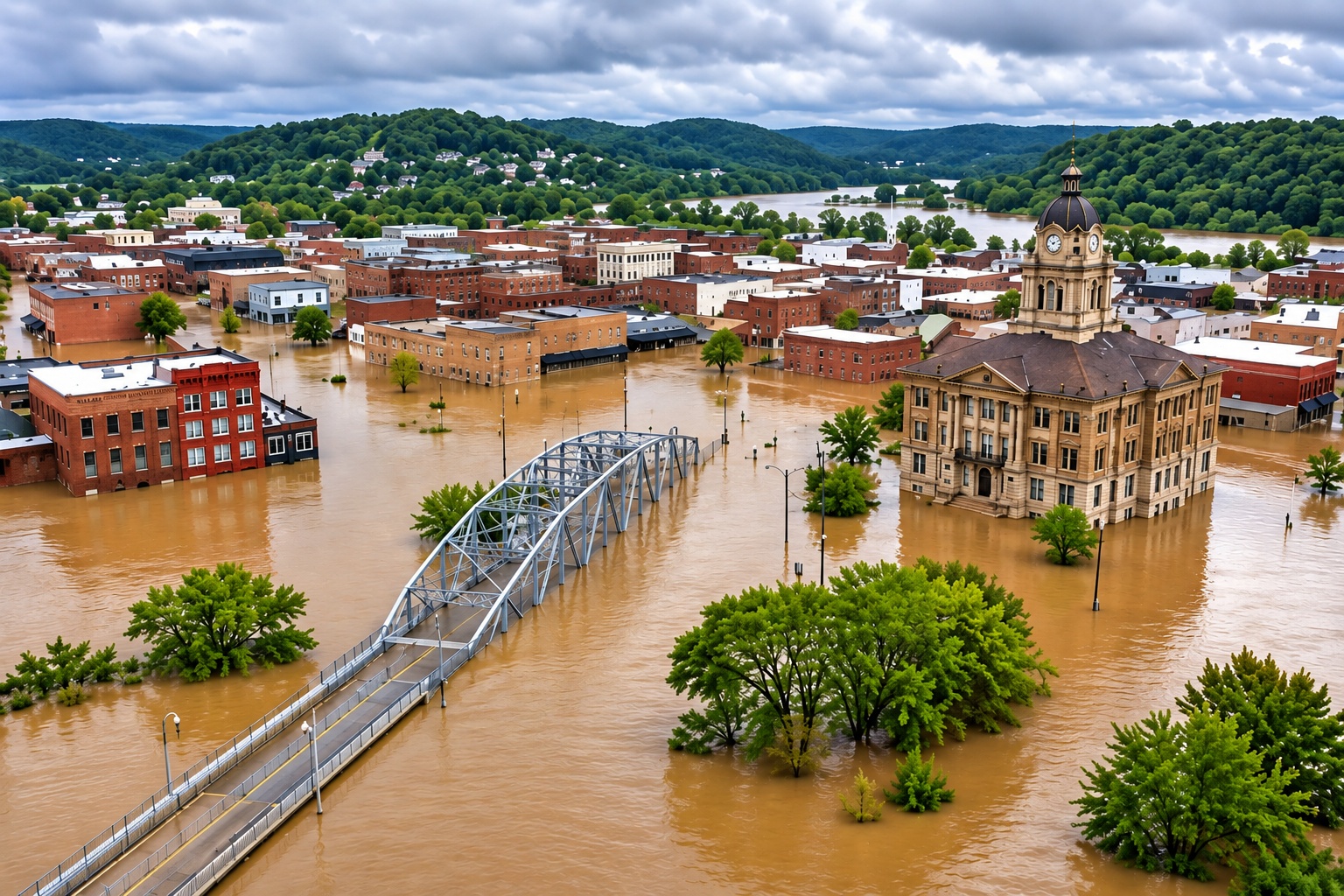
Severe thunderstorms can dump enormous amounts of rain in a short period of time.
This summer, parts of Illinois and neighboring states have experienced significant rainfall and flash flooding associated with severe storms. On June 21, localized rainfall amounts in portions of central and southeast Illinois reached several inches, with radar estimates as high as 5 inches in some locations.
Flash flooding can happen quickly — sometimes faster than people expect.
This is one of the most important rules of severe-weather preparedness:
Turn around. Don’t drown.
Even water that doesn’t look particularly deep can move a vehicle or hide a washed-out roadway.
If a road is flooded, find another route.
Summer storms can create dangerous driving conditions with little warning.
Heavy rain can dramatically reduce visibility. Strong winds can knock down trees and power lines, while flooding can make roads impassable.
Keep an emergency kit in your vehicle year-round.
Before traveling during a severe-weather threat, check the forecast and road conditions.
If authorities are advising people to stay off the roads, take the warning seriously.
One of the easiest ways to improve your family’s storm preparedness is to stay informed.
Don’t rely exclusively on outdoor warning sirens.
Sirens are primarily designed to alert people who are outdoors and may not be heard inside a house.
Use multiple ways to receive warnings:
A NOAA emergency weather radio can be particularly useful during a power outage because many models operate on batteries or rechargeable power.
Your pets depend on you during an emergency.
Keep their emergency supplies together so you aren’t searching for everything at the last minute.
If you ever have to evacuate, take your pets with you.
Storm damage can destroy paperwork just as easily as it can damage a home.
Keep copies of important documents in a waterproof container or secure digital storage.
Consider protecting:
Having this information available can make recovery much easier after a disaster.
Understanding weather alerts can help you react appropriately.
A tornado could develop in or near the watch area.
A watch means:
Be prepared and monitor the weather.
A tornado has been detected or indicated by radar, and immediate action may be necessary.
A warning means:
Take shelter immediately.
Don’t wait to see the tornado.
Don’t go outside to watch the storm.
Don’t waste valuable time gathering supplies.
Get to your safe location.
After a major storm, emergency responders may be dealing with hundreds of calls at once.
Roads may be blocked.
Power crews may be working throughout the community.
Stores may close temporarily.
Cell phone service may become unreliable.
That’s why having your own emergency supplies is so important.
A household that has water, food, lighting, communication equipment, first aid supplies and backup power is in a much better position to ride out a temporary emergency.
Before the next major storm arrives, take a few minutes to make sure your household is ready.
Absolutely.
Although spring is traditionally associated with severe weather and tornado activity, damaging thunderstorms, tornadoes, large hail, strong winds and flooding can occur during the summer and into the fall.
The severe-weather events already documented across the Midwest during June and July 2026 are a good reminder that preparation shouldn’t stop when spring ends.
Tornadoes can occur throughout the Midwest, including Illinois, Indiana, Iowa, Missouri, Wisconsin, Michigan, Ohio, Kansas and Nebraska.
No state should assume it is “too far north” or “too safe” to experience a tornado.
A good baseline is at least 1 gallon of water per person per day for three days.
If you have enough storage space and resources, keeping a larger supply provides an additional safety margin.
A refrigerator generally keeps food cold for about four hours if the door stays closed.
A full freezer can generally remain cold for about 48 hours, although conditions vary.
When you’re uncertain about the safety of food, it’s better to throw it away than take a chance.
Yes.
A vehicle emergency kit can be especially useful if a storm leaves you stranded, roads become blocked, or you encounter an unexpected roadside problem.
If this summer has taught Midwest families anything, it’s that severe weather doesn’t follow a calendar.
Tornadoes, damaging winds, hail, flash flooding and power outages have already affected communities throughout the region in 2026 — and more severe weather can still occur.
You don’t have to live in fear of the next storm.
You simply need to be prepared for it.
Take a few minutes today to check your emergency supplies. Test your flashlights. Charge your power banks. Check your weather radio. Review your family’s tornado shelter. Make sure everyone knows what to do when a warning is issued.
And don’t forget your pets.
When the next severe storm rolls across the Midwest, you won’t have time to start preparing.