Camping is one of the best ways to enjoy the outdoors. It gives you time to relax, learn new skills, and spend time with family or friends. At the same time, every successful trip starts with good planning.
The right gear keeps you comfortable and helps you handle changing weather. It also makes everyday camp tasks much easier. More importantly, camping teaches practical skills that may help during emergencies or natural disasters.
Before you leave home, check your supplies and inspect your equipment. Then replace anything that is damaged or missing. A little preparation now can prevent big problems later.
This camping checklist covers the basic gear you need for shelter, food, clothing, safety, and emergency preparedness.
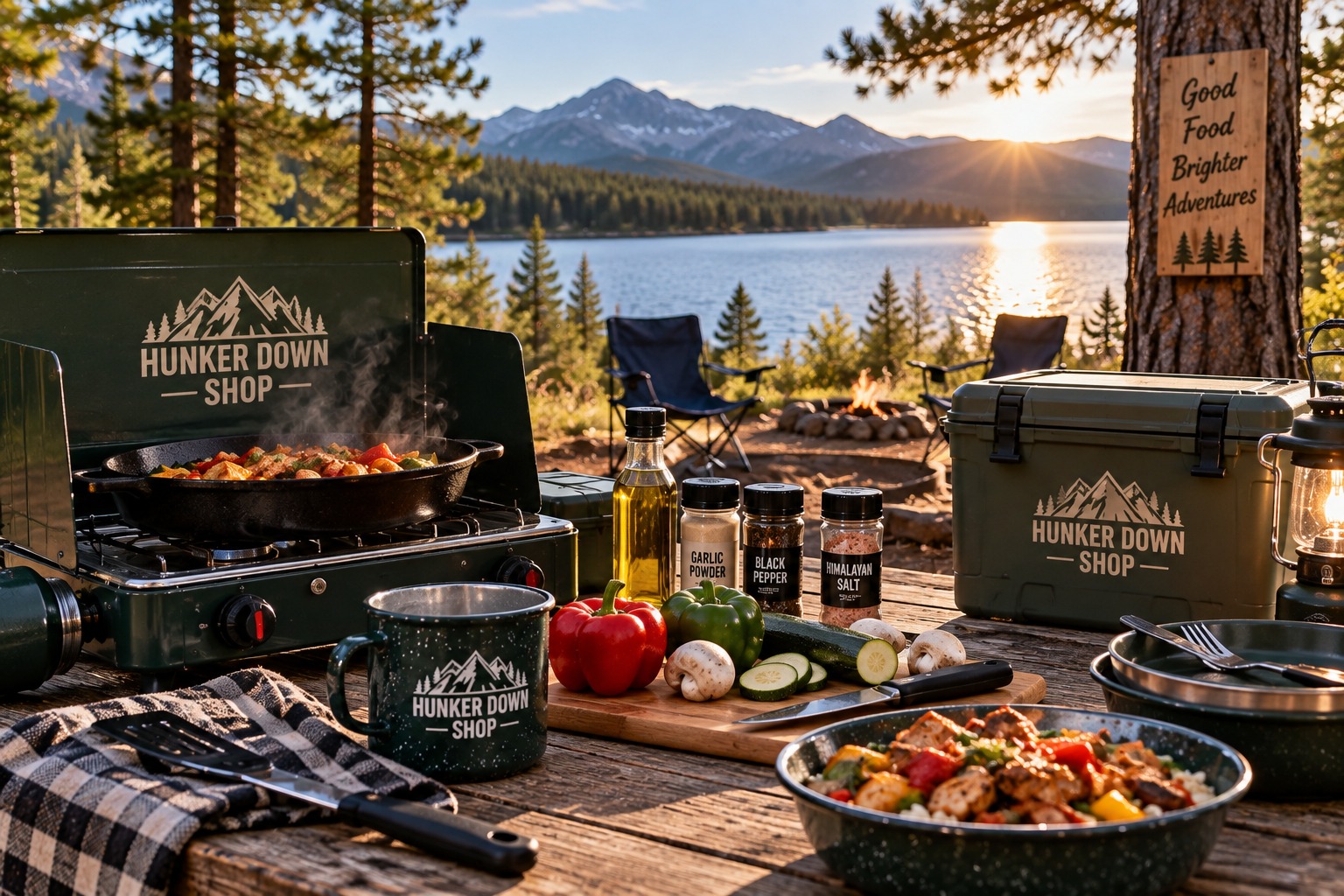
A dependable shelter is one of the most important parts of any camping trip. After all, weather can change quickly. For that reason, choose equipment that matches the season and the conditions you expect.
Pack these shelter essentials:
Before setting out, inspect your tent for damage. Also, make sure you have all the poles, stakes, and guy lines. As a result, your campsite will be much easier to set up.
Checking the weather forecast is equally important. If rain or cold temperatures are expected, you can pack extra gear before leaving home.
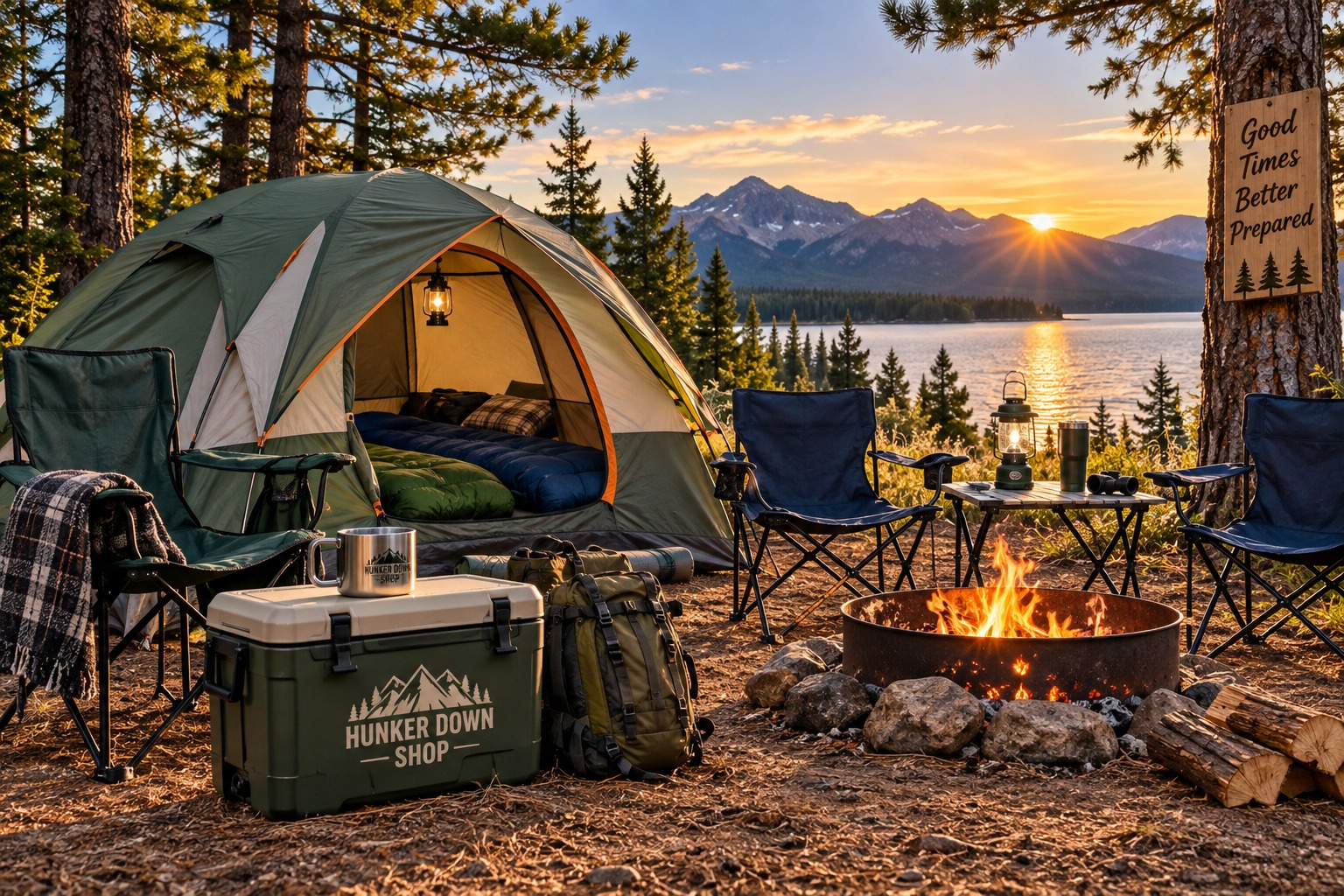
Good meals keep your energy up throughout the day. Whether you are hiking, fishing, or relaxing around camp, eating well helps you stay active.
Bring these cooking supplies:
Before your trip begins, test your stove at home. That way, you will know everything works correctly. Likewise, pack enough fuel for every meal you plan to cook.
Store food in sealed containers whenever possible. Doing so helps keep it fresh and discourages unwanted wildlife from visiting your campsite.
Outdoor conditions often change throughout the day. Therefore, wearing layers is one of the easiest ways to stay comfortable.
Pack clothing such as:
Avoid wearing cotton whenever possible. Once cotton becomes wet, it dries slowly. Because of that, it can make you feel cold, especially after sunset.
Instead, choose synthetic or wool fabrics. They dry faster and continue to provide warmth even when damp.
The right tools make camping safer and more enjoyable. In addition, they help you solve problems when conditions become difficult.
Useful camping gear includes:
For example, the Tactical Tomahawk Licensed by the USMC is a compact tool that can help with chopping kindling and handling many campsite chores.
Sharp tools also work better than dull ones. Because of this, keeping your blades in good condition is important. The 5 Precision Adjustable Knife Sharpener helps maintain knives used for cooking, camping, and everyday outdoor tasks.
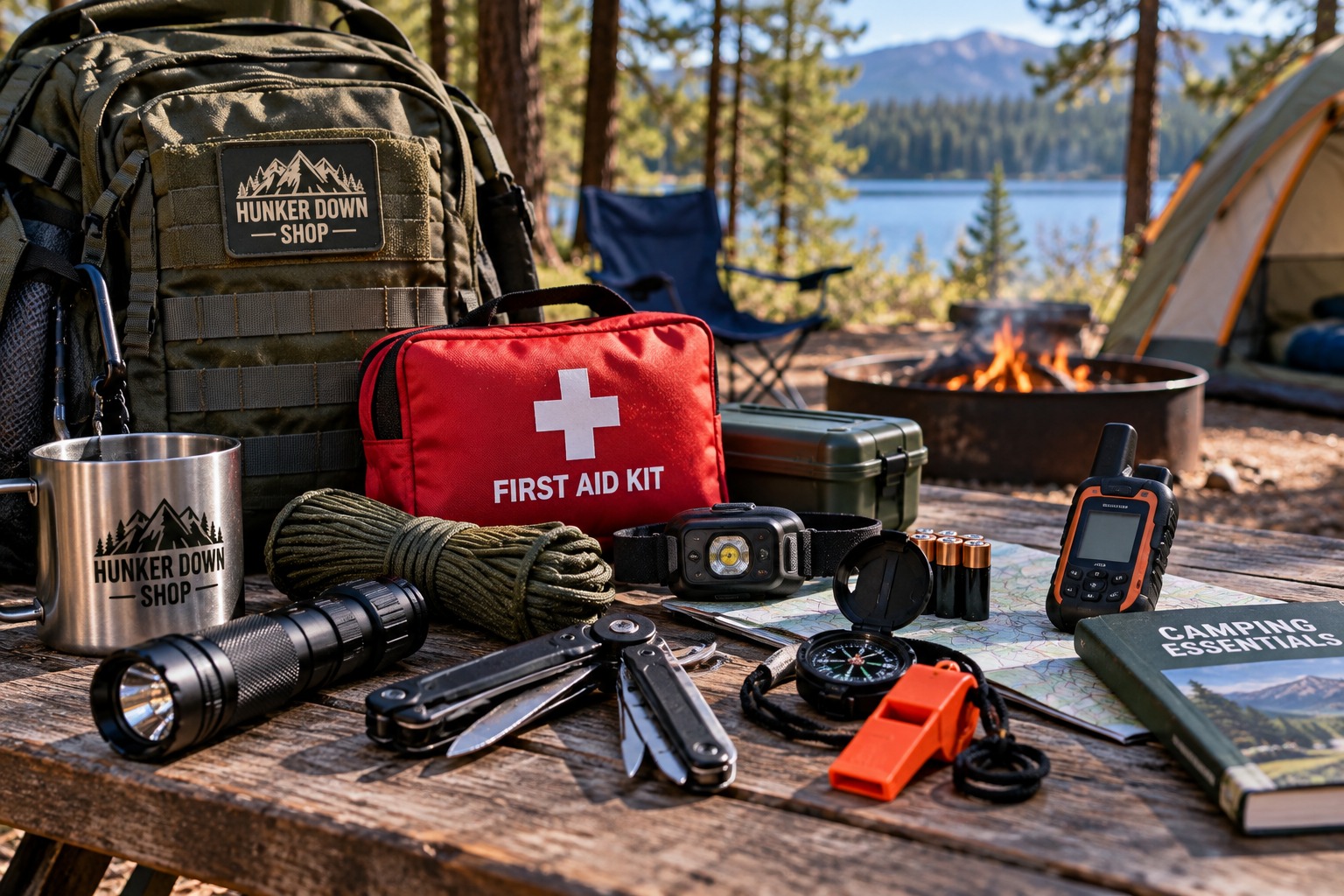
Safety should always come first. Even a short camping trip can include unexpected injuries, changing weather, or equipment problems.
Pack these important safety items:
In addition, tell a trusted friend or family member where you are going. Share your planned route and expected return time. If something goes wrong, rescuers will have a better place to begin searching.
Finally, spend a few minutes reviewing your first aid kit before every trip. Replace used supplies and check expiration dates so everything is ready when you need it.
Clean drinking water is essential for every camping trip. Unfortunately, safe water is not always available in the outdoors. Because of this, you should always carry more than one way to purify water.
Bring these water essentials:
In addition, learn how to find and treat water before you need to. Even basic knowledge can make a big difference during an emergency. As a result, you will be better prepared if your plans change unexpectedly.
A well-organized campsite makes life outdoors much easier. It also helps you stay comfortable throughout your trip. Furthermore, a clean campsite reduces clutter and makes it easier to find your gear.
Consider packing:
Meanwhile, remember to follow Leave No Trace principles. Always clean up your campsite before leaving. In the same way, dispose of trash properly and respect the wildlife around you. Future campers will appreciate your efforts.
A campfire provides warmth, light, and a place to cook meals. However, fire safety should always be your top priority.
Pack these fire-starting supplies:
Before building a fire, check local rules and weather conditions. During dry periods, fire restrictions may be in effect. Therefore, follow all local regulations to help prevent wildfires.
After cooking or relaxing around the fire, make sure every ember is completely out. Never leave a campfire unattended, even for a few minutes.
Many campers depend on their phones for directions. However, batteries can die, and cell service may disappear in remote areas. Because of that, it is important to carry backup navigation tools.
Bring these navigation essentials:
Even if you own a GPS device, learn how to use a map and compass. Those skills can help you stay calm if technology fails. Likewise, practicing basic navigation before your trip builds confidence and improves safety.
Camping is about more than survival. It is also a chance to relax and enjoy nature. After a long day outdoors, a few comfort items can make your trip even more enjoyable.
You may want to pack:
Of course, comfort items should never replace essential safety gear. Instead, pack them only after you have covered the basics. That way, you can enjoy your trip without sacrificing preparedness.
Good planning makes every camping trip safer, easier, and more enjoyable. First, gather the basic gear you need for shelter, food, water, clothing, and safety.
Next, take time to learn how each piece of equipment works. Practice using your stove, water filter, and navigation tools before heading into the outdoors. As a result, you will feel more confident when challenges arise.
Finally, review your camping checklist before every adventure. Even a quick inspection can help you avoid forgotten gear and unnecessary stress. Most importantly, preparation allows you to spend less time solving problems and more time enjoying the outdoors.