
Floods. Severe storms. Tornadoes. Wildfires. Power outages. Extreme heat. Winter storms.
Disasters can happen almost anywhere. In fact, recent emergencies are a reminder that unexpected events can quickly disrupt everyday life.
However, you do not have to predict the next disaster to prepare for an emergency.
Instead, you can prepare for the problems that many emergencies have in common.
For example, a flood is very different from a wildfire. Likewise, a tornado is different from a winter storm. Yet many disasters create similar problems for families.
You may lose electricity.
Stores may close.
Roads may become unsafe.
Your phone may be difficult to charge.
Clean water may become limited.
In some cases, you may even need to leave home quickly.
Therefore, emergency preparedness is not about knowing exactly what will happen.
It is about being ready for the problems an emergency may create.
No one knows exactly when the next emergency will happen.
You may never experience a major disaster. However, almost everyone may face some type of unexpected disruption.
For example, you could experience a power outage, severe weather, flooding, road closures, or another emergency.
Therefore, a basic emergency preparedness plan can help almost anywhere.
Instead of asking:
“What disaster should I prepare for?”
Try asking:
“What problems would my family face if normal life suddenly stopped for a few days?”
For example:
These questions can help you find gaps before an emergency happens.
The goal is not to prepare for every possible disaster.
Instead, focus on the problems many emergencies create.
Then, build a practical supply of essentials.
As a result, your family may be better prepared for many different situations.
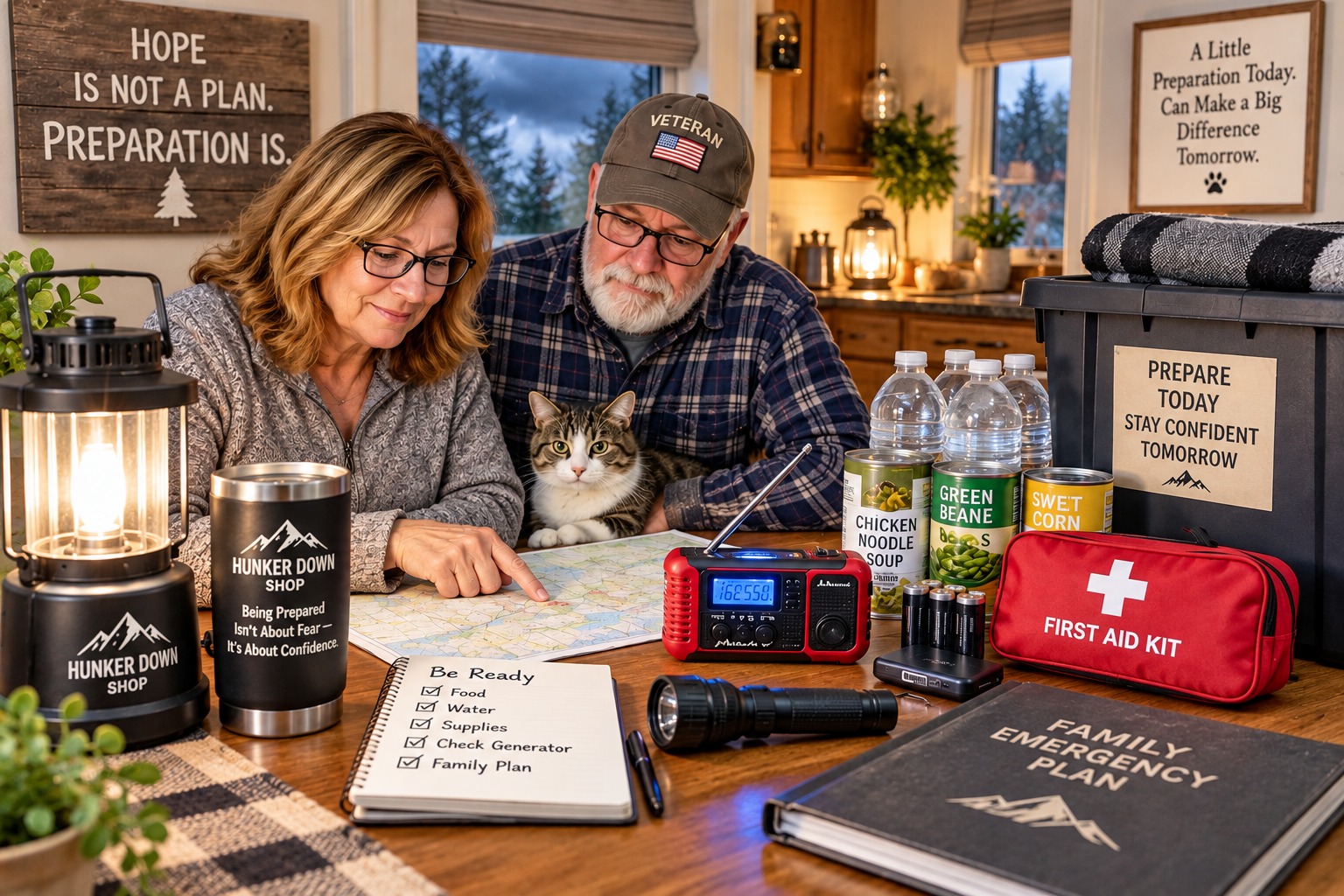
Different emergencies require different safety actions. However, many disasters can disrupt the same basic needs.
For example, you may lose power. You may also have trouble finding food or clean water.
In addition, roads and communication systems may be affected.
Therefore, it makes sense to prepare for these common problems.
Power outages can happen for many reasons.
For example, severe storms can damage power lines. Winter weather can also cause outages. Equipment failures and accidents may cause them as well.
Without electricity, you may lose:
Therefore, it helps to prepare before the lights go out.
For example, keep flashlights where you can easily find them. Also, keep extra batteries available.
In addition, consider backup power options.
A reliable emergency radio can also help you receive important information.
During a major emergency, grocery stores may close.
In addition, stores may have limited supplies.
Road conditions may also delay deliveries.
As a result, shelves can empty quickly.
That is why it makes sense to keep some extra food at home.
You do not need to buy everything at once.
Instead, start small.
For example, add a few extra meals when your budget allows.
Then, continue building your supply over time.
Choose foods your family will actually eat.
Most importantly, avoid waiting until everyone is rushing to the store.
Water Can Quickly Become a Serious Problem
Many people think about food first.
However, clean water can become an immediate concern.
For example, flooding can affect water systems. Power outages can also interrupt access to water.
In addition, damaged infrastructure may create new problems.
Therefore, water should be an important part of your emergency plan.
Start by storing water for your family.
Then, consider other ways to access or filter water if needed.
Your family’s needs may depend on several things.
For example:
Therefore, there is no single plan that works for every family.
However, having water available can give you more options during an emergency.
During an emergency, good information becomes very important.
For example, you may need updates about:
However, communication systems may also be affected.
Your phone battery may die.
Cell networks may become overloaded.
Internet service may stop working.
Therefore, it helps to think beyond your cell phone.
For example, consider how you would receive information during a long power outage.
A battery-powered or hand-crank emergency radio can provide another option.
Likewise, backup batteries and power banks can help keep essential devices charged.
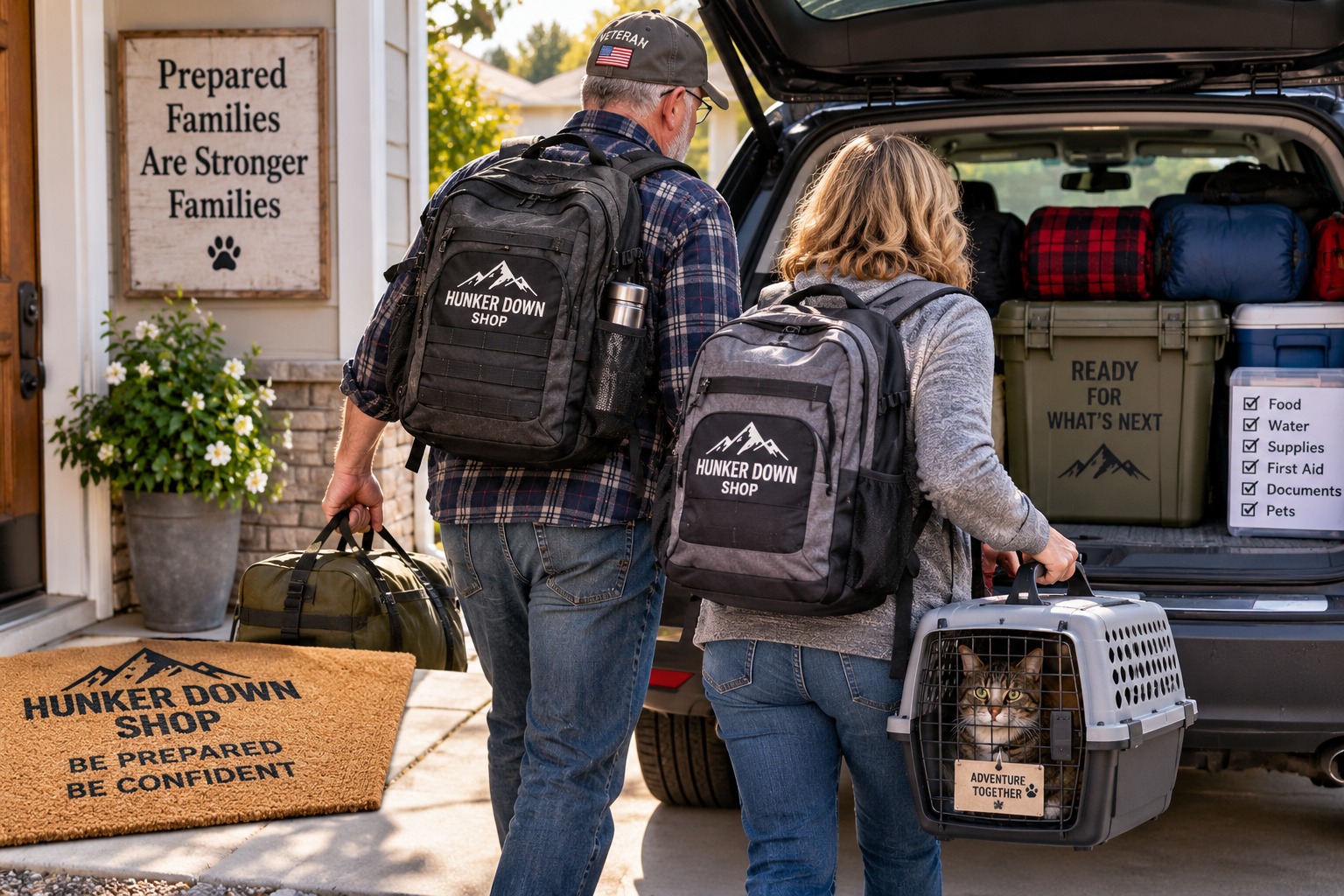
Not every emergency allows you to stay home.
For example, flooding, wildfires, and severe storms may require an evacuation.
Therefore, it helps to think ahead.
If you suddenly had to leave home, would you know what to take?
Would your important supplies be easy to find?
Would you have enough food and water?
Could you quickly find medications and important documents?
An emergency kit or bug-out bag can help.
Instead of searching through your home, you can keep important supplies together.
For example, consider keeping:
Of course, every family’s needs are different.
Therefore, adjust your supplies to fit your household.
Helpful preparedness category: Emergency Kits, Survival Kits & Bug Out Bags
An emergency can make it harder to visit a store or pharmacy.
Therefore, it is important to think about your family’s needs before an emergency happens.
A basic first aid kit is a good place to start.
In addition, think about other important items.
For example:
Keep these items together when possible.
As a result, they may be easier to find when you need them.
Helpful preparedness category: First Aid Kits & Medical Supplies
One reason people delay emergency preparedness is cost.
They look at everything they might need.
Then, the list feels overwhelming.
However, preparedness does not have to happen overnight.
Instead, build your supplies slowly.
Start with one area.
For example, you may need better emergency lighting.
Or perhaps you need more stored water.
Maybe you want to add a few emergency meals each month.
The important thing is to start somewhere.
A small emergency supply is better than no emergency supply.
Then, as your budget allows, add more.
Over time, those small steps can make a big difference.
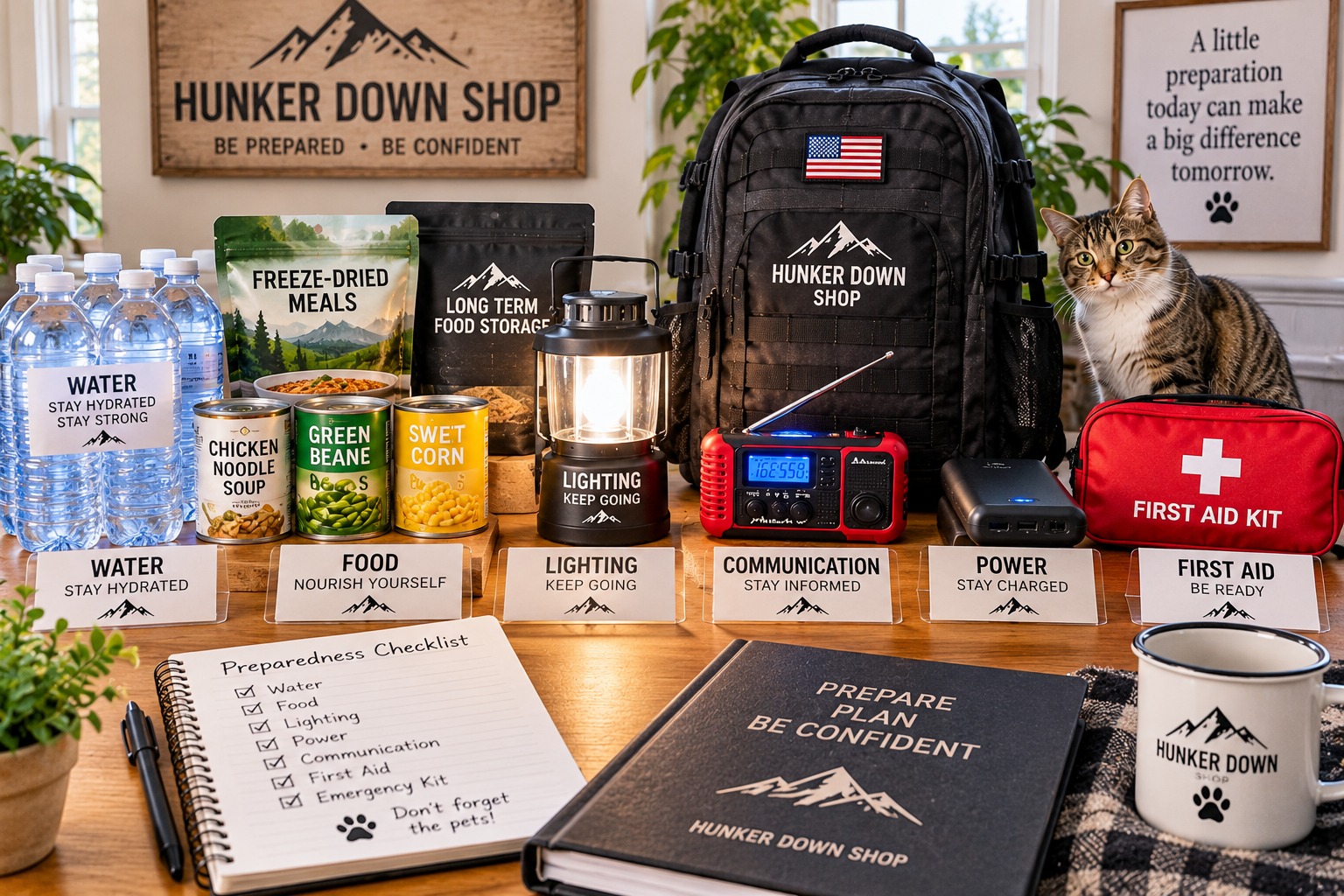
If you are not sure where to begin, start with the basics.
Then, build from there.
Store water for your household.
In addition, consider other ways to access or filter water.
Keep non-perishable food available.
Choose foods your family will eat.
Then, add to your supply over time.
Keep flashlights and emergency lighting available.
Also, store extra batteries.
Consider backup power options.
In addition, keep chargers and batteries ready.
Think about how you would receive emergency information.
For example, an emergency radio may provide another option.
Keep basic first aid supplies available.
Also, consider your family’s individual medical needs.
Keep important supplies organized.
As a result, you may be able to leave more quickly if needed.
Preparing for an emergency does not mean you expect disaster.
Likewise, it does not mean you are living in fear.
Instead, it means you understand that unexpected things can happen.
The best time to think about emergency supplies is before you need them.
During an emergency, stress can make simple decisions harder.
However, having supplies ready can give you more options.
It can also give you more time to think.
As a result, you can focus more on your family.
Instead of searching crowded stores, you may already have important supplies available.
Being prepared does not mean you can control what happens.
However, it does mean you can take reasonable steps before something happens.
The next emergency may not look like the last one.
For example, it could be a power outage.
It could be a severe storm.
Perhaps it could be flooding or extreme temperatures.
In some cases, an evacuation may be necessary.
Or, it could be something completely unexpected.
However, you do not have to know exactly what is coming.
Instead, think about the problems an emergency could create.
Then, take practical steps to prepare.
Start small.
Build your supplies over time.
Make a plan.
Keep important items organized.
Most importantly, begin before you urgently need them.
At Hunker Down Shop, we believe emergency preparedness should be simple, practical, and easy to understand.
You do not need to prepare for everything at once.
Instead, take one small step.
Then, take another.
Over time, those steps can help build confidence.
Because being prepared isn’t about fear — it’s about confidence.
Explore emergency preparedness essentials and begin building your family’s preparedness plan today.