
A house fire can develop quickly, leaving little time to decide what to do. That is why home fire safety begins long before anyone smells smoke or hears an alarm.
Working smoke alarms, accessible fire safety equipment and a practiced escape plan can help your household respond quickly. A few simple precautions can also reduce the chance of a fire starting in the first place.
Fire preparedness is not about expecting the worst. It is about making sure everyone in your home knows what to do if an emergency happens.
During a fire, there may not be time to search for an extinguisher, figure out which window opens or decide where everyone should meet outside.
Prepare those things ahead of time.
Walk through your home and look for potential fire hazards. Check cooking areas, electrical cords, heating equipment, candles and other heat sources. Make sure exits are easy to reach and doors and windows can be opened quickly.
Then make sure everyone in the household understands the fire escape plan.
Small preparations made today can make a big difference when every second counts.
Working smoke alarms provide an early warning that can give your family valuable time to escape.
The U.S. Fire Administration recommends installing smoke alarms on every level of the home, inside bedrooms and outside sleeping areas. Interconnected alarms provide additional protection because when one alarm sounds, they all sound.
Test smoke alarms every month. Smoke alarms should also be replaced when they reach 10 years of age.
Never remove a smoke alarm battery simply because cooking or steam causes nuisance alarms. Use the alarm’s hush feature when available and address the source of the false alarm instead.
Having the right fire safety equipment nearby is an important part of home fire safety, but knowing when not to use it is just as important.
A multipurpose ABC fire extinguisher can handle several common types of household fires. Choose an extinguisher that you can comfortably lift and operate, and learn how to use it before an emergency occurs.
Fire blankets can provide another option for certain small fires and may also be useful as part of a household fire preparedness kit.
However, equipment should never encourage someone to remain in a dangerous situation. If a fire is spreading, smoke is building or you do not have a safe escape route, get out and call 911.
Your safety comes first.
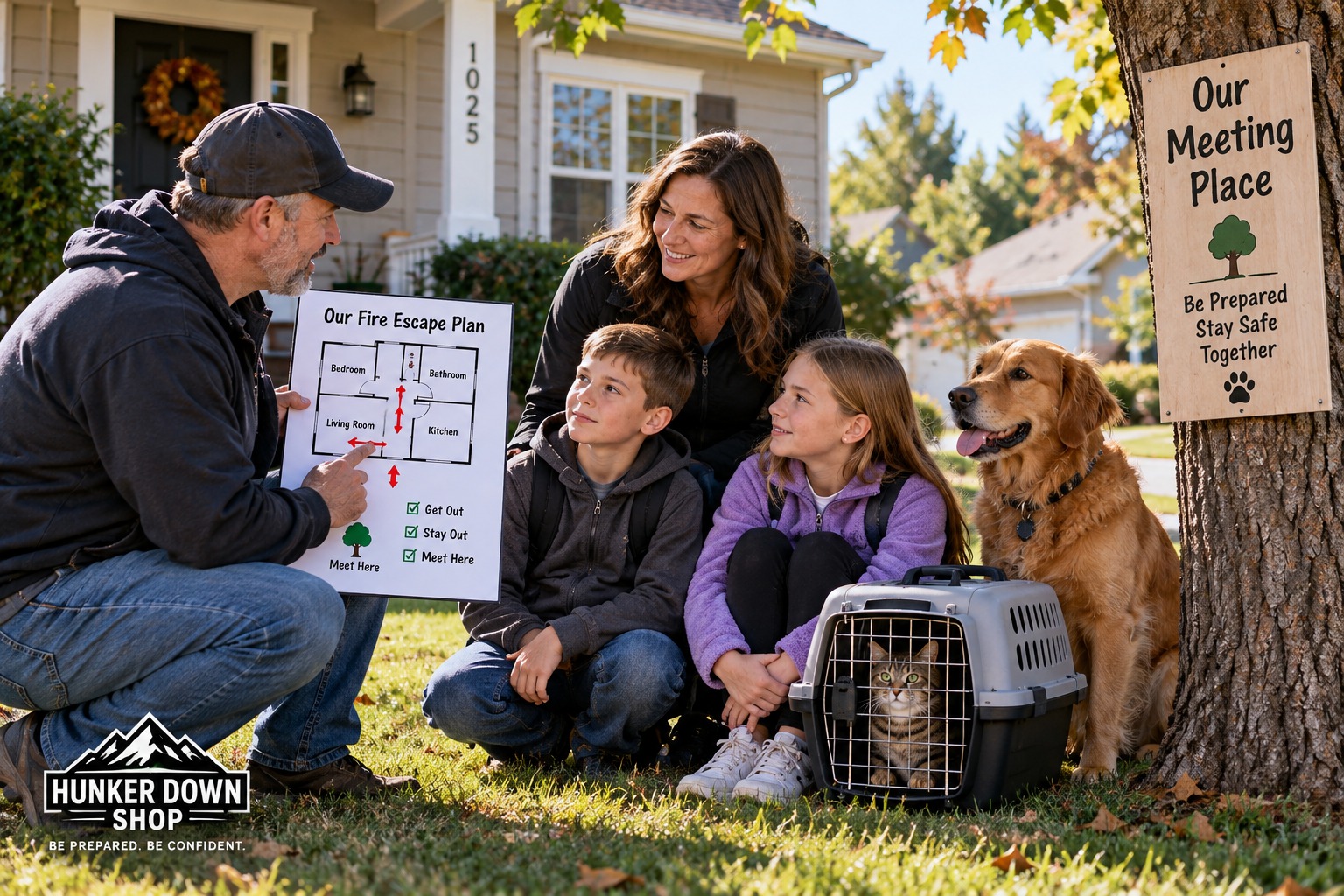
Every household should have a fire escape plan.
Identify two ways out of every room whenever possible. Check windows and doors to make sure they open easily, and keep escape routes free from furniture and clutter.
Choose a meeting place outside the home where everyone knows to gather. It could be a mailbox, tree or another easily recognized location a safe distance from the house.
Practice the plan with everyone who lives in your home. The U.S. Fire Administration warns that residents may have less than two minutes to escape after a smoke alarm sounds.
Knowing where to go before an emergency eliminates decisions when seconds matter.
Cooking is a leading cause of home fires, making the kitchen an important part of any home fire safety plan.
Stay nearby when food is cooking, especially when frying, grilling, broiling or boiling. Keep towels, paper products, packaging and other items that can burn away from the stovetop.
Turn pot handles toward the back of the stove so they are less likely to be bumped.
Before leaving the kitchen, check that burners, the oven and other cooking appliances have been turned off.
And remember: never throw water on a grease fire. Water can spread burning grease and make the situation much more dangerous.
Portable heaters, fireplaces and overloaded electrical systems can also create fire hazards.
Keep combustible materials away from space heaters and other heat sources. Plug portable heaters directly into appropriate wall outlets rather than extension cords, and turn them off when leaving the room or going to sleep.
Inspect electrical cords periodically. Replace damaged or frayed cords rather than covering the damage with tape and continuing to use them.
Avoid overloading outlets and extension cords. If an outlet frequently feels warm, sparks, smells unusual or repeatedly trips a breaker, stop using it and have the problem inspected.
A fire escape plan needs to work for the people who actually live in the home.
Older adults and people with limited mobility may need additional time or assistance to escape. Walkers, canes, wheelchairs, eyeglasses and other essential items should be easy to reach.
Keep escape routes clear of clutter that could cause a fall, especially between bedrooms and exits.
People who are deaf or hard of hearing may benefit from smoke alarms that use flashing lights, vibration or bed-shaker devices in addition to sound.
If someone in the household would need assistance during an evacuation, include that assistance in the plan rather than waiting until an emergency to figure it out.
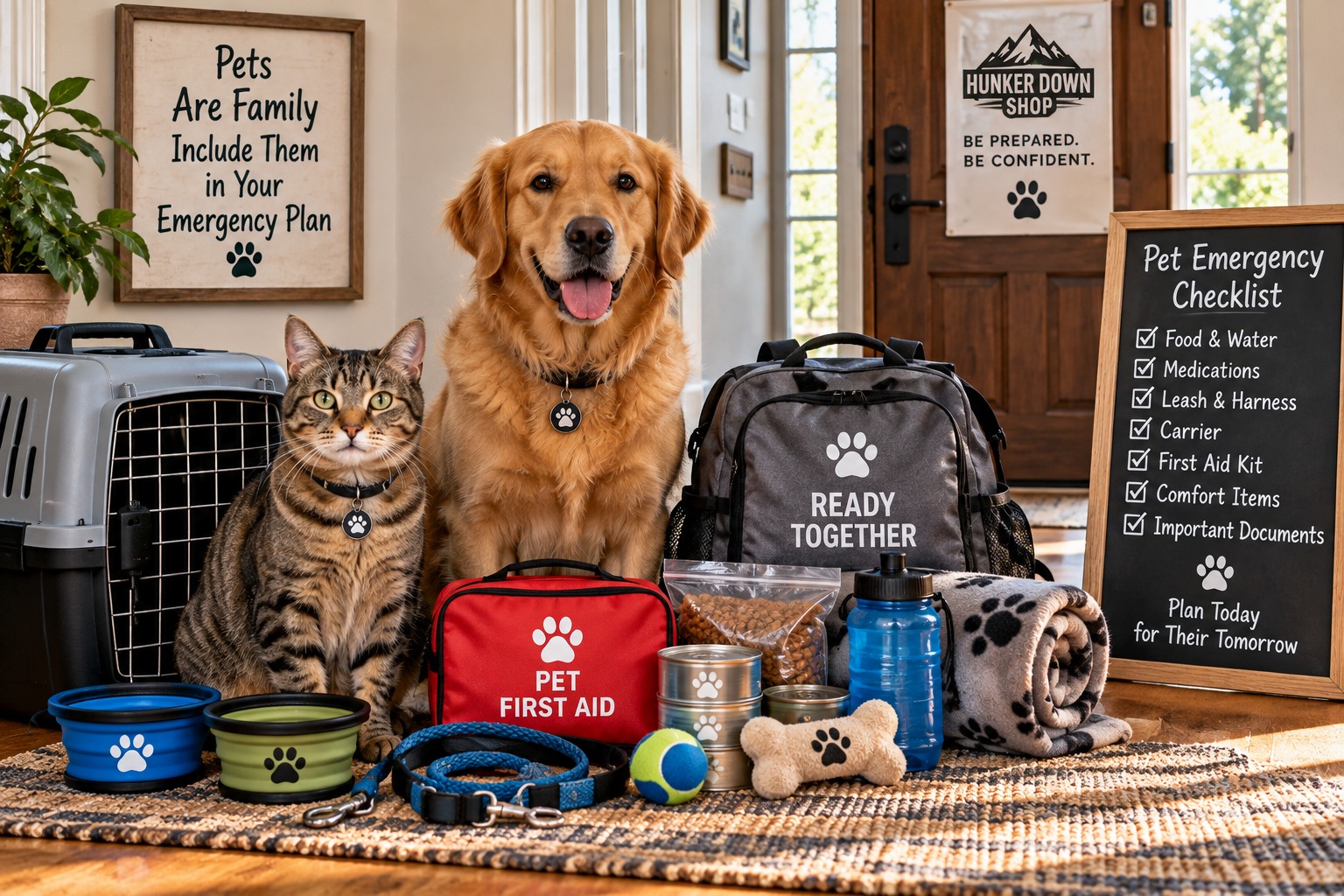
Pets are family, too, and they should be included in your fire preparedness planning.
Know where your pets tend to hide and keep carriers or leashes somewhere you can reach quickly. Practicing your escape plan with pets can also make an actual evacuation less chaotic.
A pet emergency kit with food, water, medications and basic supplies can be kept with your other preparedness gear.
However, once you have escaped a burning home, do not go back inside for a pet. Tell firefighters how many pets are inside and, if possible, where they are likely to be.
Your pets need a plan, but rescuers also need you to remain safely outside.
Fire preparedness does not have to involve a closet full of equipment.
Depending on your household, a practical fire safety setup might include:
Keep important equipment where it can be reached easily. Emergency gear buried behind boxes in a basement will not be very useful when you need to leave quickly.
If a fire cannot be safely controlled immediately, leave.
Do not stop to gather possessions. Follow your escape plan and go directly to your outside meeting place.
Once you are safely outside, call 911.
Never return to a burning building for belongings, pets or anything else. Fire conditions can change rapidly, and smoke can make familiar rooms impossible to navigate.
Let trained firefighters handle rescue and fire suppression.
No household can eliminate every possible fire risk. However, a good home fire safety plan can make your household better prepared.
Install and maintain smoke alarms. Keep appropriate fire safety equipment accessible. Reduce common household hazards. Make an escape plan and practice it. Include children, older adults, people with mobility challenges and pets in that plan.
Most importantly, make these preparations before you need them.
Being prepared for a home fire is not about living in fear. It is about having the tools, knowledge and plan to act quickly when it matters most.
Hope is not a plan. Preparation is.