
Life can change quickly. In fact, recent years proved it.
First, shutdowns disrupted daily routines. Then supply chains slowed. As a result, store shelves emptied and prices increased. Meanwhile, storms grew stronger. At the same time, power grids and digital systems showed real weakness.
Because of these events, emergency preparedness in uncertain times is no longer optional. Instead, it has become practical and necessary.
When uncertainty rises, people want security. They do not want panic. Rather, they want stability and control.
Preparedness is often misunderstood. However, it is not about fear.
Fear reacts without planning. In contrast, preparedness acts early.
In other words, emergency preparedness in uncertain times removes stress before problems begin.
For example, a prepared home includes:
A clear emergency plan
As a result, families stay calm during disruptions.
This approach is not extreme. On the contrary, it is responsible leadership.
Today’s systems are connected. Therefore, when one part fails, other parts feel it.
For instance, grocery prices shift quickly. In addition, shipping delays affect basic goods. Meanwhile, severe weather events are increasing. At the same time, power outages are lasting longer. Furthermore, digital outages can interrupt banking and communication.
Because of these patterns, waiting is risky.
Although you cannot control global events, you can control your readiness.
Prepared families avoid last-minute panic. Instead, they rely on stored supplies. When storms approach, they review their plan. As a result, they respond calmly.
Without preparation, stress increases. With preparation, options increase.
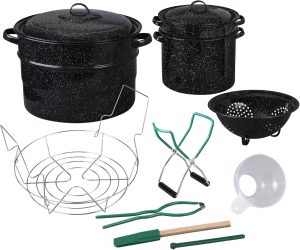
Most emergencies are short-term. Even so, three days without power or store access can feel overwhelming.
For that reason, every household should create a 72-hour emergency preparedness plan.
First, store shelf-stable food that requires little preparation. Then rotate it regularly.
Next, keep at least one gallon of water per person per day for three days. If possible, store more.
In addition, organize flashlights and extra batteries in one location. That way, they are easy to access.
Finally, create a communication plan. If cell service fails, everyone should know what to do.
These steps are simple. However, together they create real stability.
Preparedness is not only about safety. It also protects your finances.
When you prepare gradually, you avoid panic buying. As a result, you skip inflated prices. In addition, you can spread expenses over time. Therefore, your budget remains steady.
Instead of reacting under pressure, you make thoughtful decisions.
Because of that, your household stays more secure.
The true goal of emergency preparedness in uncertain times is peace of mind.
When supplies are already in place, daily stress decreases. As a result, confidence increases. In turn, decisions become clearer.
Prepared households move differently. During disruptions, they adapt instead of scramble. Therefore, they maintain control.
That difference matters.
You do not need to change everything overnight. However, you should begin now.
Start small. For example, add extra shelf-stable food to your next order. In addition, increase your water storage gradually. Before the next storm, secure dependable emergency lighting.
Step by step, readiness grows. Meanwhile, delay increases risk.
Emergency preparedness is built through steady action. Therefore, starting today is the smartest choice.
At Hunker Down Shop, we focus on practical emergency preparedness solutions.
Our approach is calm and realistic. Not dramatic. Not extreme. Not political.
Instead, we believe in steady preparation.
Because the world may remain unpredictable, your home should not.