Spring flooding is one of the most common — and destructive — seasonal disasters. As snow melts and heavy rains move in, rivers swell quickly. At the same time, saturated ground cannot absorb additional rainfall. As a result, flash flooding becomes a serious threat.
Because floods develop faster than many people expect, preparation must happen before the forecast turns severe.
Let’s walk through exactly what you need to protect your home, vehicle, and family this spring.
Floods are not just “high water.” Instead, they are fast-moving, forceful, and unpredictable.
Even six inches of moving water can:
Knock a person off their feet
Stall or disable a vehicle
Sweep away small cars
Additionally, floodwaters often contain:
Sewage
Chemicals
Sharp debris
Hidden drop-offs
Therefore, flood preparedness is about both evacuation readiness and contamination awareness.
Before buying gear, understand your risk level.
Start by:
Checking local flood zone maps
Reviewing past flood history in your area
Identifying nearby rivers, creeks, and drainage systems
If you live in a low-lying area, preparation becomes even more critical. However, even homes outside official flood zones can flood during heavy spring storms.
Because of this, assume it can happen — even if it hasn’t yet.
Flood damage happens fast. Therefore, your most critical items must be ready to move.
Store in waterproof containers:
Birth certificates
Insurance policies
Identification documents
Property deeds
Emergency contact lists
Additionally, keep digital copies on a secure cloud service or encrypted flash drive.
Preparation now prevents panic later.
If minor flooding is common in your area, sandbags can help redirect water. However, they must be placed properly.
For best results:
Stack in a staggered pattern
Seal entry points like garage doors
Lay plastic sheeting underneath
That said, sandbags do not stop major floods. Instead, they buy time.
For higher-risk areas, consider reusable flood barriers or door dam systems.
Because floods can escalate quickly, you may need to leave within minutes.
Your flood evacuation bag should include:
Extra clothing in sealed bags
Bottled water
Most importantly, keep your kit elevated and easy to grab.
Seconds matter during flash floods.
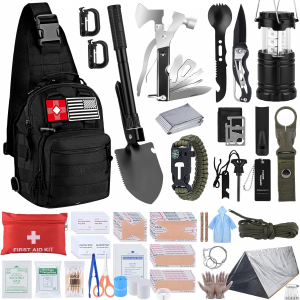
Floodwaters contaminate municipal systems and private wells. Therefore, safe drinking water cannot be assumed.
Have:
Stored drinking water (at least one gallon per person per day)
In addition, boil water advisories are common after flooding. A small camping stove can become invaluable during recovery.
Water and electricity are a dangerous combination.
Before flooding occurs:
Elevate appliances if possible
Move extension cords off floors
Know how to shut off your breaker panel safely
However, never enter standing water if electricity may still be active.
Safety always comes first.
Many flood deaths occur in vehicles. Therefore, this rule is critical:
Turn Around, Don’t Drown.
Never drive through flooded roads. Even if the water appears shallow, the road beneath may be washed out.
Additionally:
Keep your gas tank at least half full
Park on higher ground when storms are forecast
Keep a rain poncho and boots in your car
Preparation extends beyond your front door.
Once water recedes, new hazards appear.
Wear:
Rubber boots
Heavy gloves
N95 or protective mask
Furthermore, discard food exposed to floodwater. Contamination is not always visible.
Dry affected areas quickly to prevent mold growth. The first 24–48 hours are critical.
Flood preparedness is not about fear. Instead, it is about foresight.
Spring storms are predictable. Heavy rainfall and snowmelt happen every year. Therefore, taking action now reduces stress later.
To recap:
Know your flood risk
Protect documents
Prepare an evacuation kit
Store clean water
Avoid flooded roads
When water rises, preparation is your best defense.