
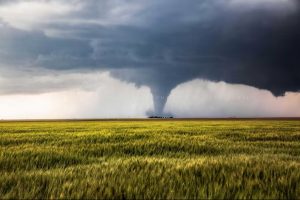
Spring in the Midwest brings warmer weather — but it also brings some of the most dangerous storm systems in the country.
From Illinois and Indiana to Missouri, Iowa, Kansas, Nebraska, Michigan, Wisconsin, and Ohio, families across the region face peak tornado activity, flash flooding, severe thunderstorms, and widespread power outages every year.
According to the National Weather Service, March through June marks the most active severe weather period across much of the Midwest and “Tornado Alley.”
If you live anywhere in this region, emergency preparedness isn’t optional — it’s essential.
This Midwest spring severe weather preparedness checklist will walk you step-by-step through how to protect your home, your family, and your peace of mind before the next storm system moves through.
The Midwest sits in the center of what meteorologists call Tornado Alley. States such as:
but it can also include
The combination of:
Warm, moist air from the Gulf of Mexico
Cool, dry air from Canada
Strong jet stream winds
creates ideal conditions for rotating supercell thunderstorms.
The National Oceanic and Atmospheric Administration consistently reports high tornado frequency across Midwest states each spring.
Preparation should begin before storm warnings are issued — not after.
The Federal Emergency Management Agency recommends every household maintain at least a three-day emergency supply kit.
When severe weather hits the Midwest, roads may be blocked and emergency services overwhelmed. You may need to be self-sufficient for several days.
1 gallon of water per person per day
Shelf-stable emergency food
Extra batteries
Battery-powered or hand-crank weather radio
Prescription medications
A pre-packed emergency kit saves time and ensures nothing critical is forgotten.
Spring storms in Illinois, Michigan, Ohio, and surrounding states frequently cause power outages due to:
High winds
Lightning strikes
Flooded substations
Falling tree limbs weakened by winter
Outages in rural Midwest communities can last multiple days.
Backup power station or generator
LED lanterns for safe indoor lighting
Extra batteries
Shelf-stable food requiring no refrigeration
Safe outdoor cooking option
Food Safety Tip:
A refrigerator keeps food safe for about 4 hours if unopened. A full freezer can maintain temperature for up to 48 hours.
Reliable backup lighting and power are not luxuries — they are safety essentials.
Tornadoes can develop rapidly, especially across Kansas, Nebraska, Iowa, and Missouri.
The American Red Cross advises identifying your safe shelter location in advance.
Basement
Storm cellar
Interior room on the lowest floor
Bathroom or closet away from windows
Helmet (especially for children)
Sturdy shoes
First aid kit
Practice drills with your family every spring so everyone knows exactly where to go.
Spring snowmelt combined with heavy rainfall can quickly overwhelm rivers and drainage systems.
Flash flooding is especially dangerous in low-lying areas and rural roads.
The National Weather Service warns that just 12 inches of moving water can sweep away most vehicles.
Waterproof storage for important documents
Sandbags (if appropriate)
Elevated storage for valuables
Extra drinking water
Fully stocked emergency vehicle kit
Never attempt to drive through floodwaters. Turn around and find an alternate route.
Spring driving conditions across the Midwest can change quickly.
Heavy rain, strong crosswinds, debris, and flash flooding all create roadside emergencies.
Every Midwest vehicle should carry:
Emergency blanket
Rain poncho
Jumper cables
Flashlight
Bottled water
Non-perishable snacks
First aid kit
Phone charger
Being stranded during a storm is stressful — but preparation reduces risk significantly.
Emergency planning should include every member of the household.
Pet emergency kit essentials:
3-day supply of food and water
Leash and carrier
Vaccination records (stored waterproof)
Medications
Comfort item
Evacuations are smoother and safer when pets are included in planning.
Tornado season typically runs from March through June, with peak activity often occurring in April and May.
Kansas, Nebraska, Illinois, Missouri, and Iowa consistently report high annual tornado activity.
Store at least one gallon per person per day for a minimum of three days. Many experts recommend keeping a two-week supply when possible.
Severe thunderstorms are one of the leading causes of spring power outages across Midwest states due to wind damage and lightning.
If you live in Illinois, Indiana, Missouri, Iowa, Kansas, Nebraska, Michigan, Wisconsin, or Ohio — now is the time to review your emergency plan.
Severe weather doesn’t wait until you’re ready.
Building an emergency kit, preparing for power outages, and creating a tornado safety plan can dramatically reduce risk and increase confidence during storm season.
Prepared families don’t panic — they respond.
Take action today so your household is ready for whatever Midwest spring weather brings.